
Energy Price Comparison for Better UK Tariffs

A low monthly Direct Debit can look reassuring until the bill arrives and the tariff behind it tells a different story. A proper energy price comparison looks beyond the headline figure, helping you see what you pay for each unit of gas and electricity, the daily standing charge, and how long you are committing for.
That matters whether you are trying to bring down household bills or control overheads for a growing business. Energy is not always simple, but choosing a tariff should not feel like taking a gamble. With the right information, you can compare rates, weigh up the trade-offs and switch on terms that suit you.
What an energy price comparison should show you
The best comparison is not simply a list of suppliers ranked by an estimated annual saving. Estimates are useful, but they rely on the consumption figures entered. Your actual cost depends on how much energy you use, when you use it and the tariff’s individual charges.
Start with the unit rate. This is the price you pay for every kilowatt-hour (kWh) of energy used. A lower unit rate can make a substantial difference for high-use homes, larger premises, workshops, restaurants and offices. It is only part of the picture, however.
You should also check the standing charge, which is a fixed daily amount for maintaining your connection and supplying energy to the property. A tariff with a very attractive unit rate can still be less suitable if it carries a high standing charge, particularly for a second home, a small office or a property with low usage.
A clear comparison should set out the tariff type, contract length, payment method and any exit fee as well. If those details are difficult to find, pause before proceeding. Transparent prices and plain terms make it easier to buy with confidence.
Fixed, variable and tracker tariffs: which is right for you?
There is no single best tariff for every household or business. The right choice depends on whether you value certainty, flexibility or the chance to benefit if wholesale prices fall.
A fixed tariff sets the unit rates and standing charges for a defined period. Your bill can still rise if you use more energy, but the rates themselves are protected during the contract. For many budget-conscious households and businesses, that certainty is the main attraction. You know how each extra kWh will be charged, which makes forecasting easier.
A variable tariff can go up or down when the supplier changes its prices. It may offer more flexibility and may not carry an exit fee, but it also leaves you more exposed to price rises. This can suit someone who does not want a long commitment, provided they are comfortable with less predictable costs.
Tracker tariffs follow a published pricing mechanism, often linked to wholesale energy prices. They can be good value when market prices ease, but they need closer attention. Rates may change frequently, and a deal that looks cheap this month is not guaranteed to stay that way.
For business customers, the choice can be even more specific. A fixed commercial contract may support stable budgeting, while flexible purchasing can suit organisations with larger consumption and the time or expert support to manage market movements. The cheapest quoted rate is not automatically the best commercial decision if the contract terms restrict your options later.
Use accurate details before you compare
The quality of your result is only as good as the information you provide. If possible, use your latest bill or annual statement rather than guessing your usage. Look for annual consumption in kWh for electricity and gas, your current tariff name, the end date of any fixed contract and your postcode.
For a household, a recent bill is usually enough to produce a meaningful comparison. If your circumstances have changed - perhaps you now work from home, have installed a heat pump, bought an electric vehicle or welcomed another person into the home - allow for that when considering projected costs.
Businesses should take particular care. Consumption can alter with opening hours, new machinery, staffing levels, seasonal demand or plans to expand. A café adding evening trade and a warehouse reducing its operating days will not have the same energy profile next year. Using old figures without context can lead to a contract that looks competitive on paper but does not fit how the site operates.
It is also worth checking whether your meter type affects the available choices. Economy 7, smart prepayment and multi-rate meters may have different day and night charges. For businesses, half-hourly metering and multiple sites can introduce further factors. Good advice should make these differences clear rather than treating every meter as identical.
How to compare energy prices without missing the detail
An energy price comparison works best when you follow a sensible order. First, establish what you pay now. Then compare like with like before deciding whether the potential saving is worth the commitment.
When reviewing available tariffs, focus on these four questions:
What are the electricity and gas unit rates, and what is the standing charge?
Is the rate fixed, variable or tracked, and how long does it apply for?
Are there exit fees or conditions that could make leaving costly?
Does the payment method suit you, such as monthly Direct Debit, prepayment or payment on receipt of bill?
The annual cost estimate remains helpful because it brings the charges together in one figure. Treat it as a guide, not a promise. If two deals have similar estimated costs, the better option may be the one with clearer terms, a more suitable contract length or a supplier service record you are comfortable with.
Do not overlook customer service either. Saving money is important, but so is being able to get help when a bill seems wrong, a meter reading is missing or you are moving premises. An independent comparison service can help you assess the available options without a hard sell, while leaving the final choice firmly in your hands.
The right time to switch energy supplier
You do not need to wait until a fixed deal ends before checking prices. Looking early gives you time to understand the market and decide whether a new tariff is worth arranging. For domestic customers, suppliers typically allow a switch to be set up ahead of the end date, helping avoid an unwanted move on to a more expensive out-of-contract rate.
Check your existing agreement first. A fixed household tariff may charge an exit fee if you leave early. The potential saving needs to exceed that cost before switching makes financial sense. If the difference is small, waiting until your contract is closer to ending may be the better call.
Business energy contracts require even more forward planning. Notice periods can apply, and missing one may result in a contract renewing or moving to higher rates. Put the end date and notice deadline in the diary as soon as you take out a deal. Renewal reminders are not a luxury when energy is a significant operating cost - they are a practical safeguard.
Switching itself should be straightforward. Once you choose a tariff, provide the requested details accurately and keep a copy of the confirmation. Your new supplier will normally manage the changeover. You should not lose supply during a standard switch, and taking a meter reading on the day of transfer can help make the final bill easier to check.
Small changes that make your comparison more useful
A tariff comparison has more value when it sits alongside sensible energy habits. You do not need to turn your home or workplace upside down to make progress. Understanding where energy goes can make the chosen tariff work harder for you.
At home, review heating controls, draughts, appliance settings and peak-time electricity use. For a business, look at lighting schedules, refrigeration, equipment left on overnight and whether staff know who is responsible for closing down the premises. Reducing unnecessary use does not make a poor tariff good, but it lowers the number of units charged at any tariff rate.
Keep an eye on bills after switching, too. Check that the opening meter reading is correct, that the expected tariff has been applied and that the Direct Debit is realistic for your use. A low payment can be tempting, but it may simply store up a larger debit balance for later.
PowerSwitch helps customers compare available energy deals, understand the small print and complete a switch without hidden fees or pressure. If you prefer to talk through the numbers, direct human support can be especially useful where usage, meter types or contract terms are less straightforward.
The next time your energy renewal approaches, set aside ten minutes with your latest bill. A careful comparison now can give you clearer costs, more control and one less expensive surprise when the next bill lands.
Ecotricity prices now online
We’re pleased to announce that Ecotricity has just been added to PowerSwitch.com, giving you even more supplier options when comparing your energy prices.
💡 Worth a look if you’re a business: Ecotricity is currently offering particularly competitive business gas prices, so it could be well worth checking what you could save.
Energy Market Update 10 - 17 July 2026

Energy Market Update
Wholesale Market Summary (10 July – 17 July 2026)
Wholesale gas and electricity prices continued to climb last week, driven by growing concerns over global energy supplies and renewed geopolitical tensions in the Middle East.
The ongoing conflict between the US and Iran remains the dominant influence on energy markets. Military action has intensified in recent days, with reports of US strikes on strategic Iranian targets, including an oil tanker bound for Kharg Island, while Iran has launched drone attacks against US military facilities in Bahrain, Jordan and Kuwait.
As tensions rise, traders remain focused on the Strait of Hormuz – one of the world's most important energy shipping routes. Although the strait remains open, vessel movements are currently subject to restrictions imposed by Iranian authorities, increasing uncertainty over future oil and LNG supplies.
Electricity prices also moved higher, tracking the rise in wholesale gas costs. The increase was reinforced by a significant drop in renewable energy generation, particularly wind output, which resulted in greater reliance on gas-fired power stations to meet electricity demand.
Market Movements
Over the last week (10 July – 17 July 2026)
⚡ Electricity prices rose by 3.89%
🔥 Gas prices rose by 6.39%
Over the last month (17 June – 17 July 2026)
⚡ Electricity prices rose by 5.50%
🔥 Gas prices rose by 11.40%
What does this mean?
With wholesale prices continuing to trend upwards and geopolitical uncertainty showing little sign of easing, businesses approaching contract renewal may benefit from reviewing their energy purchasing strategy sooner rather than later. While markets remain volatile, securing a fixed contract before further price increases could help reduce future cost exposure.
Utility Market Update: Price Rises, Winter Outlook & Money-Saving Tips
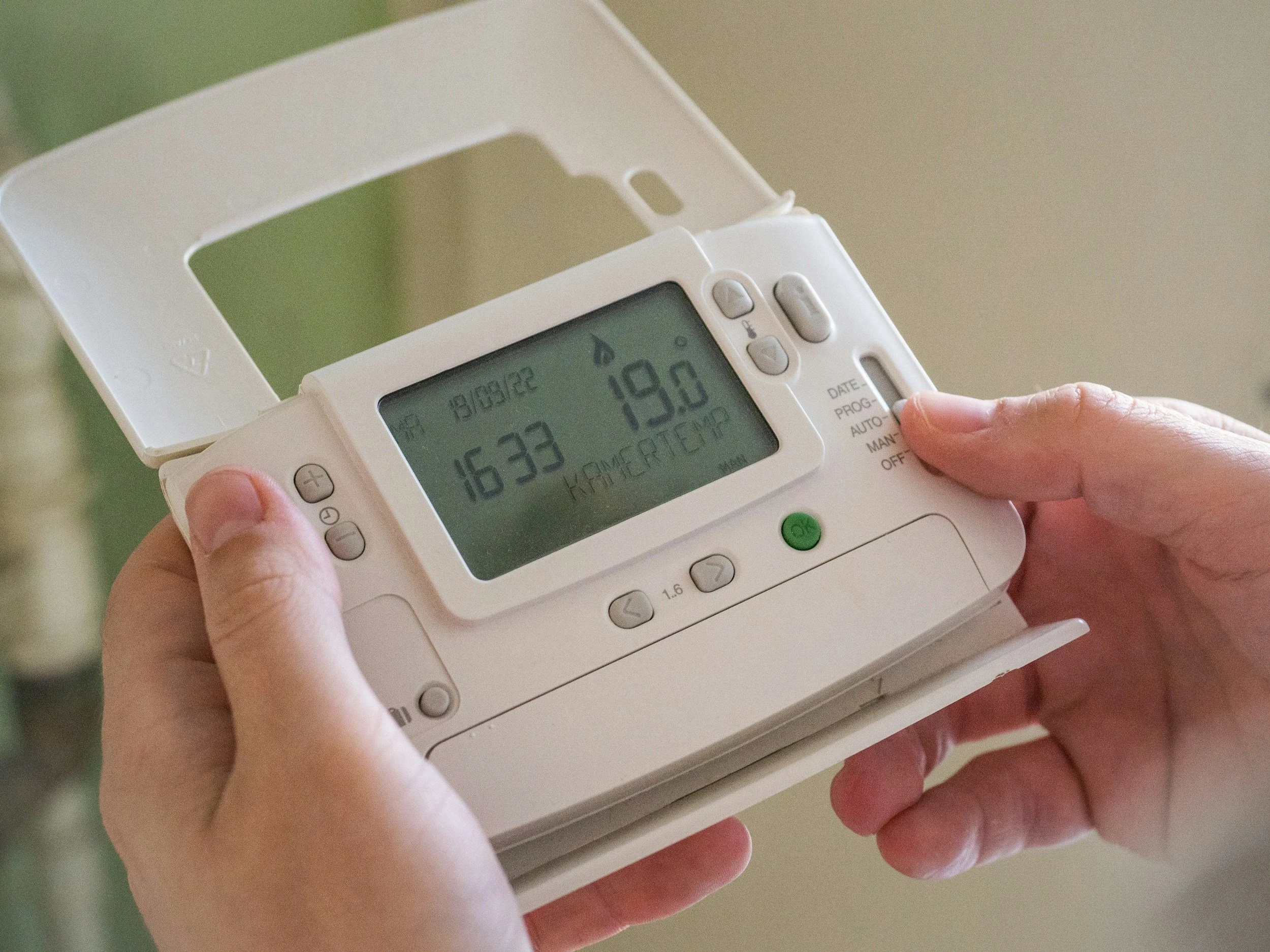
It's been another eventful few months in the energy market, and unfortunately the direction of travel hasn't been the one many consumers were hoping for.
Household Energy Bills Rise Again
From 1st July, Ofgem's energy price cap increased by 13%, taking the average annual household bill to around £1,862 for a typical home. The increase was largely driven by higher wholesale gas prices and instability in global energy markets.
If you're still on a standard variable tariff, it's worth checking whether a fixed-rate deal could offer savings and protection against any future price rises.
Quick Tip
If your energy supplier offers a smart tariff and you have a smart meter, shifting energy-intensive activities such as EV charging, washing machines and dishwashers to off-peak periods can significantly reduce costs.
Could Prices Rise Again This Winter?
Recent tensions in the Middle East have pushed oil and gas prices higher, and wholesale markets remain volatile. While nobody can accurately predict future energy prices, analysts are warning that further increases cannot be ruled out if global supply concerns continue.
For customers seeking budget certainty, fixed-price energy contracts remain worth considering.
Business Energy Costs Still Under Pressure
Business energy prices are currently well above historical norms and remain one of the biggest concerns for UK companies. Industry groups have recently called on the Government to reduce energy-related charges, arguing that UK businesses are paying some of the highest electricity prices among major developed economies.
The good news is that many business energy contracts available today are still significantly cheaper than those seen during the energy crisis of 2022-23, and some suppliers are currently offering competitive fixed-rate deals.
Business Tip
If your contract expires within the next six months, start comparing prices now. Leaving renewals until the final few weeks often limits your options and bargaining power.
Water Bills and Business Water Switching
Many businesses in England and Scotland are still paying more than they need to for water services.
Unlike household water customers, businesses can choose their water retailer and potentially reduce costs through better tariffs, water efficiency measures and consolidated billing. If you've never reviewed your water contract, now is a good time to do so.
Don't Forget About Standing Charges
While unit rates attract most of the attention, standing charges continue to account for a substantial proportion of many energy bills.
Reducing consumption is important, but reviewing tariffs regularly remains one of the easiest ways to save money without changing your lifestyle.
Need a Fresh Quote?
Whether you're looking for:
• Home gas and electricity prices
• Business energy contracts
• Business water rates
• Business telecoms
• Card payment solutions
we're here to help.
Don't Forget To Take A Meter Reading !
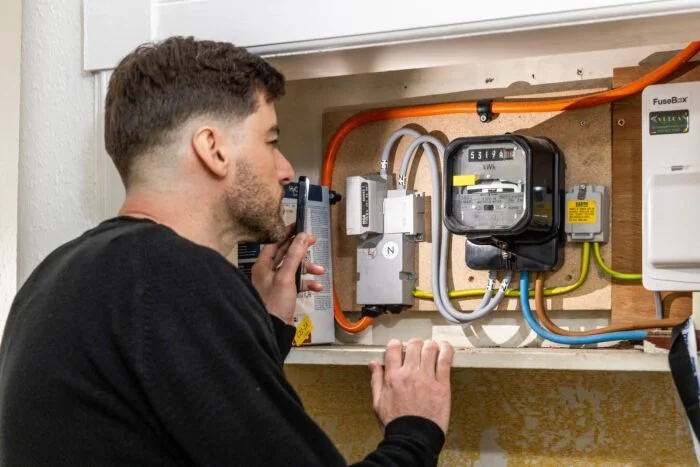
Don't Forget To Take Meter Readings Today
Households are being encouraged to provide an up-to-date meter reading as energy bills increase by 13% for millions of customers across England, Scotland and Wales today.
Customers whose energy prices are linked to Ofgem's price cap and who do not use a smart meter are advised to record their meter readings. This helps ensure any energy used before the increase is billed at the previous price rather than the higher one from today.
Although the rise is mainly due to increasing gas costs, the immediate effect may be less noticeable because warmer weather typically leads to lower household energy consumption during the summer.
However, analysts at consultancy Cornwall Insight warn that elevated energy prices, fuelled by the economic impact of the US-Israeli conflict with Iran, are expected to continue into the winter months. You can check all fixed price offers here and Utility Warehouse bundle deals here
ZERO Standing Charge Offers Are Back For Businesses
ZERO is back...
Good news! Zero standing charge offers are back again from two suppliers on our panel. They might not be available to everyone, but you can find out by dropping your details in the bespoke quote form at the page below
Home Energy price Cap to rise 13% in July. What should you do ?

As you may have seen on the news, home energy prices are expected to climb again from July, with average annual costs forecast to increase by around 13% as global wholesale prices continue to surge.
According to Ofgem, the average UK home could see yearly energy bills rise by approximately £221, taking a typical household’s annual cost to around £1,862. The increase follows ongoing disruption in global energy markets linked to tensions in the Middle East and restrictions affecting key oil and gas shipping routes.
For many households on standard variable tariffs across England, Scotland and Wales, this means noticeably higher monthly payments. The average dual-fuel customer could pay roughly £18 more each month, with gas prices seeing the biggest jump.
Although customers already on fixed-rate tariffs won’t be immediately affected, millions of households remain exposed to future price rises — and suppliers have warned there could be further increases later in the year if market conditions remain unstable.
Ofgem’s price cap only limits the maximum unit rate suppliers can charge on variable tariffs. It does not cap your total bill, which still depends on how much energy you use.
With prices changing again, now is a good time to review your current tariff and see whether a fixed deal could help protect you from future increases.
At PowerSwitch.com, you can quickly compare the latest energy deals from trusted suppliers and check if you could secure a better fixed rate before prices rise further.
Comparing takes just a few minutes and could help you save money and gain peace of mind.
Are you due a refund?

Martin Lewis says May is the ideal month to review your energy account and see whether you are holding too much credit with your supplier.
The reason is that early May is usually when balances in the yearly direct debit cycle reach their lowest point. From this stage onward, many households begin rebuilding credit to help cover energy use during the next winter period.
Main Points About Claiming Back Extra Credit
The “Six-Week” Guideline:
If your account currently holds more than roughly six weeks’ worth of your Direct Debit payments — around one and a half months — this could indicate that your monthly payments are higher than necessary.
Submit Accurate Meter Readings:
Before asking for any refund, it is important to provide an up-to-date meter reading, or check that your smart meter has recently transmitted one. This ensures the balance reflects your real usage rather than estimated figures.
Energy Suppliers’ Responsibilities:
Ofgem rules require suppliers to keep Direct Debits fair and reasonable. They are also expected to return excess credit when customers request it, as long as the account remains financially stable.
Steps to Review and Reclaim Credit
Sign in to your account:
Use your supplier’s app or website — such as British Gas, Octopus Energy, or OVO Energy — to review your current balance.
Compare your balance against your Direct Debit:
For example, if you pay £200 per month and your account is sitting more than £300 in credit during May, there is a strong chance you could reclaim some of that money.
Ask for the refund:
Many providers now offer refund requests through online account management tools, live chat, or Direct Debit settings pages.
Review old supplier accounts:
If you have changed providers recently, it is also worth checking closed accounts, as millions of pounds in unused customer credit is still believed to be sitting with former suppliers.
Important:
Energy analysts expect the Energy Price Cap to increase in July 2026. Because of this, some households may decide to leave a modest amount of credit on their account to help manage potentially higher bills later in the year.
Prices Soften Again
Good News! Prices Have Softened
Business energy prices have shown a slight decrease in the last week as wholesale gas prices have retreated from earlier highs.
Despite this short-term dip, volatile conditions due to conflicts in the Middle East mean that long-term prices are still significantly higher than pre-crisis levels and remain unstable.
Latest Business Energy Market Trends (Week of May 11, 2026):
Wholesale Prices: Wholesale gas and power rates have retreated from the peaks of the previous week.
Fixed Deals: Fixed-rate business electricity contracts for 2026 have come down materially.
Market Volatility: Prices remain volatile and high, with some concerns that continued geopolitical tension could lead to future spikes.
Sector Specific Action: The government has announced it will cut electricity bills for over 10,000 manufacturers by up to 25% through the British Industrial Competitiveness Scheme (BICS) starting April 2027. [1, 2, 3, 4]
Many firms recently pulled fixed deals as prices spiked, but with this week's slight decrease, locking in a rate now could protect against anticipated volatility in the coming months.
How The Iran Situation Is Affecting Energy Prices
Dear Customer,
We wanted to share a quick update on developments in global energy markets following the escalating conflict across the Middle East.
Oil prices have now moved above $100 per barrel, with markets particularly concerned about potential disruption to the Strait of Hormuz — a key global shipping route responsible for transporting around 20% of the world’s oil and large volumes of liquefied natural gas.
For UK energy customers, global fuel costs directly influence wholesale gas and electricity prices. While it’s too early to predict the full impact, geopolitical instability often leads to rapid price movement and increased volatility in energy markets.
We’re already seeing signs of this.
Several suppliers on our platform are now withdrawing and replacing tariffs within the same day. However, some competitive deals are still available, including:
• Business gas from under 4p per kWh
• Business electricity from under 23p per kWh
• A limited number of zero standing charge tariffs
Although instant prices are available, we recommend submitting a bespoke request form to access a wider range of supplier offers and secure the most competitive options.
For home energy customers, there are still some good fixed-price contracts available, but the range is starting to narrow. If you’re currently on a variable tariff, this may be a good time to consider fixing a deal to avoid potential price increases.
If you’d like a quote, help reviewing your contract, or advice on renewal timing, our team is here to help.
New Business Start Up Advice
When you’re starting a new business, there’s a lot to do.
One thing that’s all too easy to overlook in the early days is your energy use. But make no mistake about it, getting your energy use under control from the start isn’t just good for the planet, it’s great for your bottom line too.
Being energy efficient doesn’t have to be expensive or complicated. In fact, there are plenty of simple, low-cost (or even free) actions you can take.
We’ve put together 10 tips to help you keep on top of your energy bills and hold on to your new, hard-earned income.
1. Get on the right energy tariff
One of the first things you should do is make sure you choose the best energy tariff. It might not be the most glamorous task, but it’s one that can have a big impact on your business’s costs.
Think about when your business uses energy. Are you a strictly 9-to-5 operation? Do you have storage heaters or other equipment that charge up overnight? This matters because some tariffs offer cheaper rates at night and choosing the right one could save you money. You can check the different tariff prices for your business here.
Check out some top tips to test your tariff. Spending a little time comparing options now could cut your running costs from day one.
2. Put together an environmental policy
A good environmental policy is becoming increasingly necessary for doing business. It’s likely to be something you will be asked for. Don’t worry though, writing one doesn’t need to be a difficult job and once done it will help you communicate your environmental credentials to potential customers.
Here’s some guidance and a few examples to show you how to do it.
3. Monitor your energy use
Once your business has been up and running for a little while, you’ll start to get a feel for what your energy bills should look like each month. That’s when tracking becomes useful.
If your usage suddenly spikes, you’ll be able to ask the right questions. Was the heating left on overnight? Has a timer broken? Is there a fault causing equipment to waste energy?
Whatever the reason, measuring and monitoring your energy use gives you the heads-up you need to stamp out these profit monsters quickly and stay in control of your bills.
Try this free energy usage tracker will help you do that.
4. Get your heating system serviced
In the early days of your business, the last thing you want is a large and unexpected bill – the kind you might get if your heating system where to suddenly breakdown. So it can pay to get your heating system checked and serviced by a registered technician.
Sure, everything might be working fine now, but what about next month? Or in the middle of winter when you really need it?
A little maintenance now could save you a lot of hassle and money down the line.
5. Save at home
Going to be working from home a lot? Perhaps in the early days, you’re planning on setting up your business from home full time. Even then, you can still make sustainability part of your journey from day one.
You’ll find some quick IT energy-saving tips here. Plus you can find the best home energy tariff here too
And don’t forget to get in touch with Home Energy Scotland to make your home more energy efficient too.
6. Get your team on board
If you are planning to grow your business with new recruits, a larger team is going to impact on your energy bills and wider resource use.
Whether it’s remembering to switch off lights, using equipment efficiently, or spotting areas where energy might be wasted, a team that’s engaged will help reduce your energy use and keep costs down.
When your staff understands what you’re aiming for and why, they’re much more likely to support your energy-saving efforts. This Staff Engagement Toolkit is packed with useful resources to help you do just that.
7. Train to be a Green Champion
Boost your knowledge and learn the skills that will help you run a greener business with Business Gateway’s free online Green Champions training course.
It’s CPD-certified and packed with practical advice to help you save energy – and save water and reduce waste too.
Over 1,600 professionals across Scotland have already taken part, why not join them?
8. Choose sustainable travel options
Choosing low-emission and sustainable travel options can help your business reduce fuel bills and avoid charges in Low Emission Zones (LEZs).
And there’s several loans and grants available from the Scottish Government that may help you in this area. You’ll find a handy round up here (at the time of writing, this includes a loan to purchase electric vans, funding to help businesses near LEZs retrofit non-compliant vehicles, and more).
9. Learn from other businesses
Plenty of businesses have already made energy-saving upgrades, so why not learn from their experience? Reach out to others who’ve made similar improvements and find out what worked, what didn’t and what to watch out for.
Learning from others can help you avoid common pitfalls and make your own journey smoother. The Green Network for Businesses is a great place to look – it connects you with like-minded organisations across Scotland who are happy to share their insights.
10. Get tailored advice from an energy expert
Remember, Business Energy Scotland energy advisors are there to help you make your business’s premises as energy efficient as possible. From lighting to heating to taking advantage of renewables, they’ll show you the steps to take to reduce your energy bills and carbon footprint.
What’s more, once you’ve been trading for 12 months, you can use your summary report to apply for funding for eligible measures from the Scottish Government’s SME Loan Scheme.
It’s never too early to get the ball rolling and request support for your business.
How to compare and choose the best business electricity deal
What is the best business electricity deal?
The best business electricity deal depends on how much electricity your business uses, when you use it, and how long you want to fix your prices for. A deal with the lowest unit rate isn’t always the cheapest overall — standing charges, contract length, and usage patterns all affect the total cost. Comparing multiple suppliers at once is the easiest way to find the most cost-effective option.
How can I compare business electricity prices?
You can compare business electricity prices by reviewing quotes from multiple suppliers based on your annual usage, meter type, and contract preferences. Using a business energy comparison service allows you to see available deals side-by-side and often provides access to exclusive tariffs not available directly from suppliers.
Can small businesses switch electricity suppliers?
Yes, small businesses can switch electricity suppliers in the same way as larger organisations. Sole traders, limited companies, and SMEs are all eligible to compare and switch business electricity deals, often saving money by avoiding expensive out-of-contract rates.
Will my electricity supply be interrupted if I switch?
No. Switching business electricity suppliers does not interrupt your power supply. Your electricity continues to be delivered through the same national grid — only the company billing you changes.
When is the best time to switch business electricity?
The best time to switch is usually within the final 1–6 months of your current contract, depending on supplier rules. Switching during this renewal window helps you avoid automatic roll-overs onto higher default tariffs.
What happens if my business electricity contract ends?
If your contract ends without a new deal in place, you’ll typically be moved onto a variable out-of-contract rate, which is usually more expensive. Setting reminders or using a comparison service can help ensure you switch before this happens.
Are fixed-rate business electricity contracts better?
Fixed-rate contracts offer price certainty and protection from market fluctuations, making them a popular choice for budgeting. However, flexible or variable tariffs may suit businesses that are comfortable with changing prices. The best option depends on your risk tolerance and energy usage.
Can I get a green business electricity deal?
Yes. Many suppliers offer 100% renewable business electricity tariffs sourced from wind, solar, or hydro power. In many cases, green business energy deals cost the same as standard tariffs, making them an easy way to reduce your carbon footprint.
Do I need a smart meter to switch business electricity?
No, you don’t need a smart meter to switch suppliers. However, having one can make billing more accurate and help you better understand your energy usage over time.
How much can my business save by switching electricity suppliers?
Savings vary depending on usage and current rates, but many businesses save hundreds or even thousands of pounds per year by switching at the right time and securing a competitive fixed-rate deal.
Is it free to compare business electricity deals?
Yes. Comparing business electricity deals through a comparison service like PowerSwitch is free, with no obligation to switch.
How To Compare The Best Home Energy Deals
Quick answer:
To compare the best energy deals, you need to look at your annual energy usage, compare unit rates and standing charges, understand tariff types, and use a trusted comparison service that shows the full cost — not just headline prices.
With energy prices still unpredictable, switching energy suppliers remains one of the simplest ways to reduce household bills. Yet many households stay on expensive default tariffs simply because comparing energy deals feels confusing or time-consuming.
This guide explains exactly how to compare energy deals step by step — and how to make sure switching genuinely saves you money.
Why Is It Important to Compare Energy Deals?
Energy suppliers regularly introduce new tariffs, discounts, and incentives. At the same time, many households remain on standard variable tariffs, which are often among the most expensive options available.
By comparing energy deals, you can:
Reduce your annual energy bills
Avoid overpaying when fixed deals end
Access greener or smarter tariffs
Stay in control as prices change
For most households, checking energy deals at least once a year can lead to meaningful savings.
What Information Do You Need to Compare Energy Deals?
To get accurate comparisons, you’ll need:
Your postcode
Your current supplier and tariff type
Your estimated annual gas and electricity usage (kWh)
If you don’t know your exact usage, most comparison tools can estimate it based on your household size and property type. This is usually accurate enough for reliable results.
Important: Annual usage matters more than unit price alone. A tariff that looks cheap can still cost more overall if standing charges are high.
How Do You Compare Energy Deals Properly?
1. Look at Unit Rates
The unit rate is the price you pay per kWh of gas or electricity. Lower unit rates usually benefit higher-usage households the most.
2. Check Standing Charges
Standing charges are daily fees you pay regardless of usage. Some tariffs offset low unit rates with higher standing charges, increasing the total annual cost.
3. Compare Total Annual Cost
Monthly estimates can be misleading. Always compare the full annual cost based on your usage — this gives a more accurate picture of value.
Should You Choose a Fixed or Variable Energy Tariff?
Fixed-Rate Tariffs
Prices are locked in for 12–24 months
Easier to budget
Protect against price rises
Variable Tariffs
Prices change with the market
Usually no exit fees
Can increase during volatile periods
For most households, a competitive fixed tariff offers greater peace of mind — especially when energy prices are uncertain.
Are Exit Fees and Contract Length Important?
Yes. When comparing energy deals, always check:
How long the tariff lasts
Whether there are exit fees for leaving early
Exit fees can reduce savings if you need to switch again before the contract ends.
Does Supplier Reputation Matter?
Price is important, but service quality also affects your experience. When comparing suppliers, consider:
Customer reviews
Billing accuracy
Smart meter support
Payment options such as direct debit or prepayment
The cheapest deal isn’t always the best if customer service problems cost you time and stress later.
Are Green Energy Tariffs More Expensive?
Not anymore.
Many renewable electricity tariffs now cost the same as standard options. Some suppliers also offer:
100% renewable electricity
Carbon-offset gas
Smart tariffs with cheaper off-peak rates
EV-friendly plans
Switching to a greener tariff often doesn’t mean paying more.
What Is the Best Way to Compare Energy Deals?
The easiest and safest way is to use a trusted energy comparison website that:
Compares the whole market
Shows full costs, including standing charges
Filters deals based on your priorities
Handles the switch with no disruption to supply
Switching energy supplier is free, safe, and usually takes less than five minutes.
Common Energy Comparison Mistakes to Avoid
Only comparing monthly estimates
Ignoring standing charges
Forgetting when fixed deals end
Avoiding switching out of habit
Energy loyalty rarely leads to lower bills — regular comparison does.
How Often Should You Compare Energy Deals?
You should compare energy deals:
Once a year
When your fixed tariff is ending
After major price changes
If your household usage changes
Even if you don’t switch, comparing keeps you informed and prepared.
Frequently Asked Questions
Will my energy supply be interrupted if I switch?
No. Your gas and electricity supply remains on throughout the switch.
Does switching energy supplier affect my credit score?
No. Switching does not impact your credit rating.
How long does switching take?
Typically between 5 and 21 days.
Can renters switch energy suppliers?
Yes, as long as you pay the energy bills.
Final Answer: How Do You Find the Best Energy Deal?
The best energy deal is the one with:
The lowest total annual cost
A tariff length that suits your needs
Transparent pricing
A reliable supplier
Comparing energy deals regularly remains one of the simplest ways to reduce household bills and stay in control of your energy costs.